Continuous Line Design of Toys: Modern Graphics & Illustrations
As a brand designer and content marketer, I am constantly hunting for visual assets that strike the perfect balance between artistic flair and commercial utility. Recently, I integrated Continuous Line Design of Toys into a rebranding project for a boutique children’s lifestyle store. The goal was to refresh their digital presence without losing the warmth and approachability that defined their original identity. This review explores how this specific graphic design asset performs in real-world marketing scenarios, offering insights for brand owners, social media managers, and creative entrepreneurs looking to elevate their visual storytelling.
First Impressions: Mood, Tone, and Audience Perception
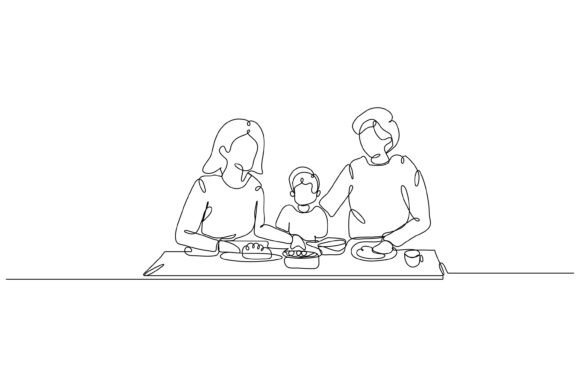
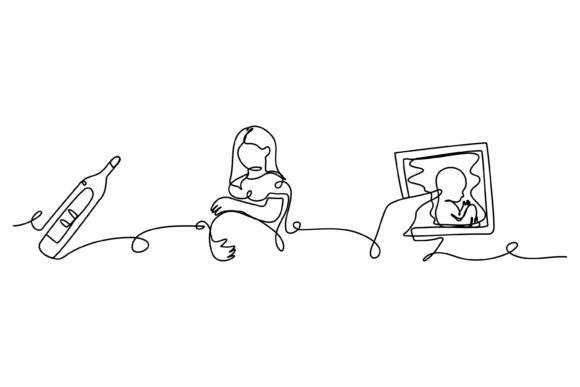
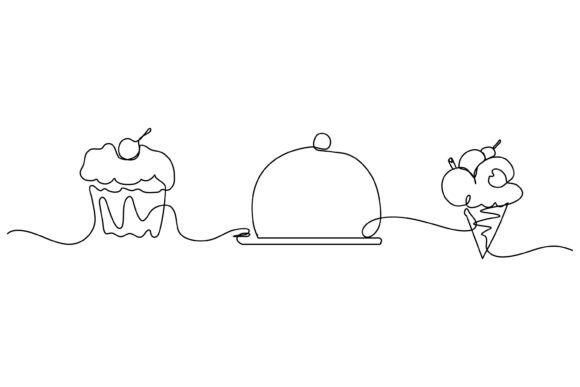
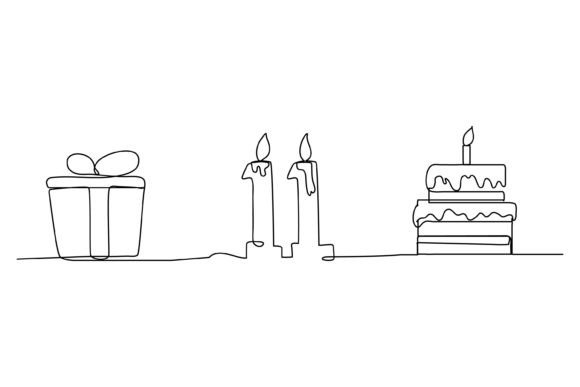
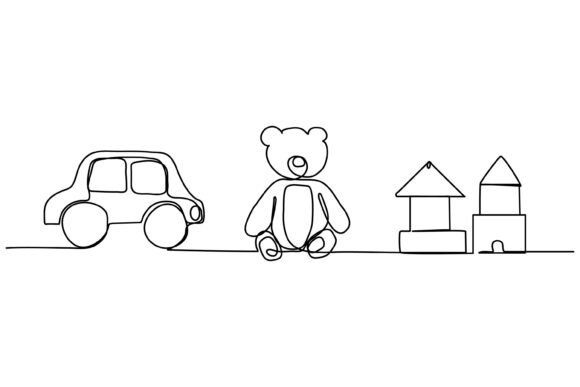
The immediate appeal of Continuous Line Design of Toys lies in its minimalist elegance. The single-line decorative element drawn on white creates a sense of fluidity and motion. Unlike complex, multi-colored illustrations, this style relies on negative space and clean strokes to convey form. For a brand targeting parents who value modern aesthetics and simplicity, this mood is ideal. It feels curated rather than chaotic.
From an audience perception standpoint, continuous line art suggests sophistication and thoughtfulness. It avoids the clutter often associated with traditional toy imagery, making it suitable for premium visuals, handmade products, and lifestyle content. When I placed these illustrations alongside serif typography, the result was editorial and high-end. Paired with handwritten fonts, the vibe shifted to playful yet polished. This versatility allows marketers to adapt the emotional tone depending on the campaign goal, whether it is a soft launch for a new product line or a seasonal offer announcement.
Practical Applications in Brand Identity and Marketing
In my recent project, the primary challenge was maintaining visual consistency across multiple channels. Continuous Line Design of Toys proved to be a robust solution for various touchpoints. Here is how I utilized this digital product across different marketing mediums:
- Social Media Graphics: The clean lines scaled perfectly for Instagram posts and Pinterest pins. They served as subtle background elements that did not compete with product photography, enhancing engagement without overwhelming the feed.
- Packaging Design and Product Labels: We used the SVG design files to create custom stickers for gift wrapping. The vector format ensured crisp edges even when printed on textured paper, reinforcing professional branding.
- Email Banners and Web Design: Incorporating these illustrations into email headers added a unique decorative touch that improved open rates. On the website, they acted as section dividers, improving visual hierarchy and guiding the user’s eye through the content.
- Printable Design and Lead Magnets: For a downloadable activity kit, the JPG and PNG design options allowed for easy integration into Canva templates. This supported our content marketing strategy by providing value-added resources that attracted potential customers.
The ability to use these assets in both digital ads and physical merchandise like stickers demonstrates their value as a comprehensive design bundle. For small business branding, having one cohesive visual element that works across packaging, web design, and social media graphics simplifies the creative workflow significantly.
Strategic Benefits for Content Creators
Why choose this specific style over other clipart or illustration options? The answer lies in audience trust and recognition. In a saturated creative marketplace, distinct visual cues help brands stand out. Continuous Line Design of Toys offers a modern design aesthetic that feels fresh yet timeless. By using a consistent illustrative style, you build stronger recognition. Customers begin to associate that specific line quality with your brand voice.
Furthermore, these graphics support clearer visual hierarchy. Because the designs are minimal, they do not fight for attention with your primary message or call-to-action. This is crucial for digital ads and text-heavy layouts where readability is paramount. The asset acts as a supportive character, enhancing the overall composition without dominating it. This leads to more memorable campaign visuals and a professional appearance that boosts credibility.
Where to Use It and Where to Exercise Caution
While versatile, this asset is not a one-size-fits-all solution. It works best in hero graphics, campaign headers, and branded templates where there is ample white space. It shines in editorial design and promotional banners where the goal is to evoke emotion rather than convey dense data.
However, there are limitations. I would advise against using Continuous Line Design of Toys in formal corporate branding contexts that require strict rigidity. Additionally, be cautious when placing these thin lines on busy or low-contrast backgrounds. In small mobile graphics, the delicate strokes may become illegible if not sized correctly. Always test readability in small sizes before finalizing any design. If your brand identity is already overly minimal, adding more line art might make the design feel empty rather than elegant. Balance is key.
Designer Notes: Testing and Implementation
Before launching any campaign using these assets, I recommend a thorough testing phase. First, check black and white usage. While the default is often black on white, ensure the lines hold up when reversed or colored to match your brand palette. Next, place the SVG design inside real campaign mockups. Preview them on mobile screens to confirm that the details remain visible.
Typography pairing is another critical factor. Compare how the illustrations look with sans serif font for a modern feel, script font for a personal touch, or display font styles for bold statements. Review spacing and balance to ensure the decorative element complements rather than clutters the layout. Finally, always confirm the commercial license terms. Whether you are using this for client work, paid campaigns, or your own business branding, understanding the rights associated with the design assets is essential for legal safety and professional integrity.
In conclusion, Continuous Line Design of Toys is a powerful tool for content creators and marketers aiming for a sophisticated, modern aesthetic. When used strategically, it enhances brand identity, supports visual consistency, and creates an emotional connection with the audience. By respecting its limitations and leveraging its strengths in social media graphics, packaging design, and editorial layouts, you can transform simple illustrations into a cornerstone of your visual communication strategy.