Pink Flower Circle: A Designer’s Review for Real Embroidery
When I first pulled up the Pink Flower Circle file on my screen, I wasn’t looking for flashiness. I was looking for balance. As a designer who spends half my life digitizing and the other half stitching out test runs, I have learned that pretty pictures do not always translate to clean embroidery. This design, categorized under Illustrations and Graphics, caught my eye because of its Art Nouveau roots. It promises flowing lines and organic shapes inspired by tulips and lilies, but does it hold up when the needle hits the fabric?
I decided to put this machine embroidery design through its paces with a specific client project in mind. A local boutique owner wanted a signature look for her spring collection of canvas tote bags and lightweight linen aprons. She needed something that felt hand-drawn and artistic but remained durable enough for commercial use. Here is how Pink Flower Circle performed in a real-world scenario.
First Impressions and Visual Mood
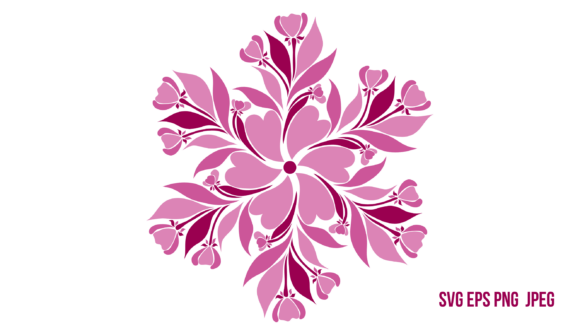
The immediate appeal of this design is its softness. The circular composition creates a natural focal point, which is ideal for centered placements on garments or home goods. The interplay of pink and purple petals suggests a gentle, feminine aesthetic without being overly childish. For an Etsy seller or craft business owner, this visual personality is crucial. It signals quality and thoughtfulness.
However, from a technical standpoint, the Art Nouveau style presents challenges. Flowing lines require precise tension control. If the stitch density is too high, the fabric will puckers. If it is too low, the design looks sparse. Upon zooming in, I noticed the design relies heavily on smooth curves rather than sharp angles. This is good news for stitch clarity, as it reduces the risk of thread breaks at tight corners.
Real-World Application: The Tote Bag Test
I chose a medium-weight cotton canvas for my test run. This is a common material for tote bag design projects. I hooped the fabric with a cut-away stabilizer to ensure maximum support, given the circular nature of the pattern. Circular designs can sometimes pull unevenly if not stabilized correctly, especially if the hoop size is barely larger than the design itself.
The stitching process was smooth. The transition between the pink and purple thread colors was handled well, suggesting that the original digitizer paid attention to color stops and trim points. For a small shop product, efficiency matters. Fewer trims mean faster production times. The result on the canvas was crisp. The organic shapes of the tulips and lilies retained their elegance, and the fill stitches provided enough coverage to make the colors pop against the neutral background.
This success translates directly to other custom apparel items. I can easily see this working on a sweatshirt chest pocket or as a large back print on a denim jacket. For sweatshirt embroidery, the texture of the fleece helps hide minor imperfections, making this design a safe bet for beginners and pros alike.
Where Caution Is Needed
While Pink Flower Circle is versatile, it is not universal. I would hesitate to use this exact scale on delicate fabrics like silk or thin rayon without significant modification. The fill stitch areas, while beautiful, add weight. On a flimsy fabric, this could cause sagging over time, especially after washing.
Similarly, be cautious with baby embroidery projects. While the motif is sweet, ensure the thread used is soft and the backing is trimmed close to prevent irritation against sensitive skin. For embroidered patch creation, this design works well if you use a dense satin stitch border to contain the edges, but verify the stitch count to ensure it doesn’t become too stiff.
Another consideration is dark fabric. The pink and purple palette is vibrant but may lack contrast on black or navy materials. In such cases, consider adding a white underlay or choosing a lighter variant of the design if available. Always test your digital embroidery file on scrap fabric before committing to a final finished product.
Commercial Value and Brand Consistency
For commercial embroidery professionals, the value of a design lies in its repeatability and customer appeal. Pink Flower Circle offers a high perceived value. It looks expensive and custom, which allows for higher pricing on personalized gift items. Whether it is a holiday embroidery piece for a kitchen towel or a branded item for a boutique, the design elevates the base product.
Consistency is key for brand building. If you are selling design assets or finished goods, using a cohesive style like Art Nouveau helps customers recognize your work. This design fits seamlessly into a spring or summer collection, enhancing your printable mockup presentations and social media content.
Practical Notes for Designers
Before you purchase or download this embroidery file, keep these practical tips in mind:
- Check the License: Confirm whether the file allows for commercial use if you plan to sell handmade product items. Never assume; always read the terms.
- Test Stitch Density: Run a test on your specific machine. Different brands handle complex fills differently. Adjust tension if necessary.
- Fabric Compatibility: This design shines on stable fabrics like cotton, linen, and denim. Be careful with stretchy knits unless you use appropriate stabilizers.
- Color Contrast: View the design in black and white to check for clarity. If the details disappear in grayscale, they might get lost on busy fabric patterns.
- Hoop Selection: Ensure your hoop is large enough to accommodate the full circle without cropping. A cramped hoop can distort the organic lines.
In conclusion, Pink Flower Circle is a strong contender for any designer’s library. It balances artistic flair with technical feasibility. It is not just a pretty picture; it is a functional applique design alternative that brings elegance to everyday items. Whether you are creating a custom apparel line or a one-off personalized gift, this design delivers professional results with minimal fuss. Just remember to respect the fabric, trust your stabilizer, and let the Art Nouveau flows do the talking.