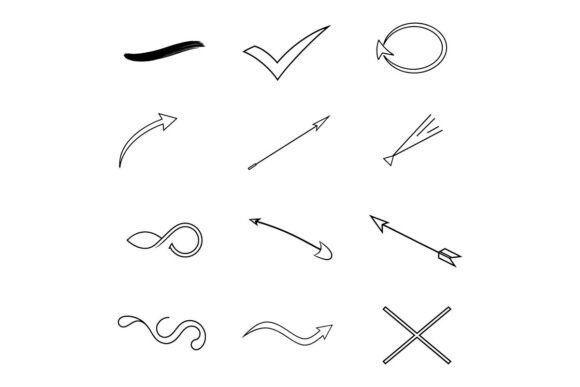
Review: Hand Drawn Marker Simple Elements Set
As a designer who spends half my day digitizing and the other half stitching, I have learned that not every digital embroidery file translates well from screen to fabric. Some designs look crisp on a monitor but turn into a tangled mess of thread breaks and puckering once the needle hits the hoop. When I first opened the Hand Drawn Marker Simple Elements Set, my initial reaction was cautious optimism. The preview images promised organic, sketchy shapes and doodles that felt bold and playful, but I needed to know if these Illustrations could withstand the mechanical reality of an embroidery machine.
I decided to test this collection by preparing a custom order for a local boutique client. They wanted a line of reusable tote bags with a whimsical, hand-sketched aesthetic that felt personal rather than mass-produced. This was the perfect real-world scenario to evaluate how the Hand Drawn Marker Simple Elements Set performs in actual production. My goal was not just to see if it stitched out, but to assess its viability as a commercial asset for small business owners and Etsy sellers who rely on consistent quality.
First Impressions and Visual Personality
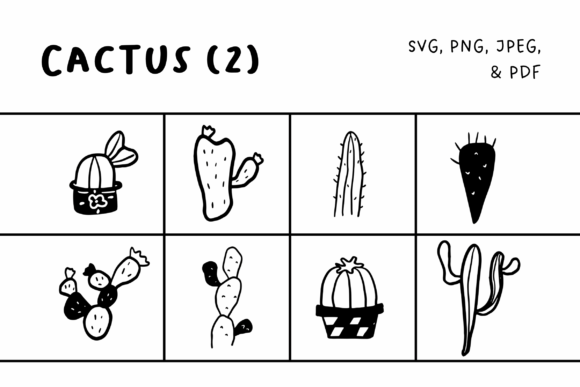
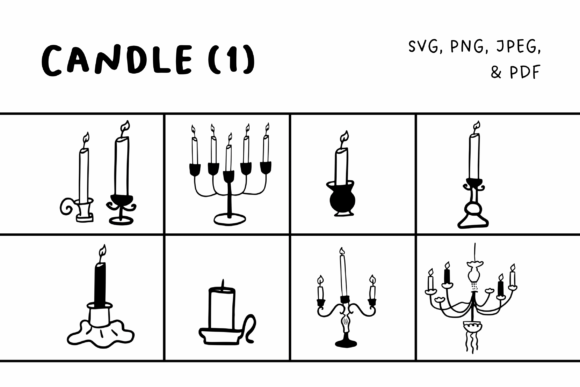
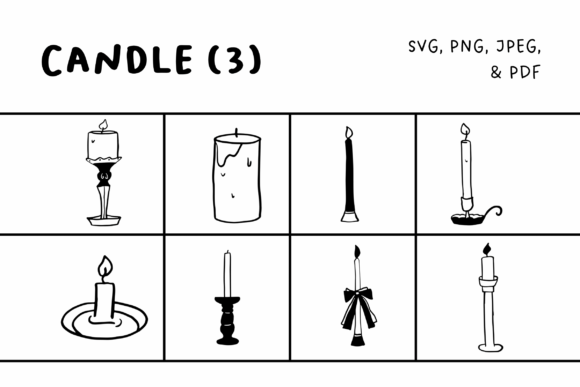
The immediate appeal of this set lies in its imperfection. In a market saturated with rigid, vector-perfect graphics, the organic nature of these elements stands out. The lines mimic the pressure variations of a real marker pen, creating a mood that is approachable and friendly. For embroidery designers, this presents both an opportunity and a challenge. The "sketchy" look suggests a reliance on running stitches or light fill stitches to maintain that hand-drawn feel without becoming too dense.
When evaluating these Graphics, I looked closely at the layout and detail level. The shapes are simple enough to be recognizable at a distance but contain enough internal character to hold interest up close. This balance is crucial for items like sweatshirt embroidery or baby clothes, where the viewer might be interacting with the product intimately. The visual personality suggests these elements belong on casual, everyday items rather than formal wear. They fit naturally into projects involving custom apparel, kitchen towels, or nursery decor where a touch of warmth is desired.
Performance in Real-Life Embroidery Scenarios
To test the versatility of the Hand Drawn Marker Simple Elements Set, I ran several samples on different materials. On a sturdy cotton canvas tote bag, the design performed exceptionally well. The bold lines translated clearly, and the playful doodles added the exact "bold and playful touch" described in the product details. The stitch density appeared moderate, which is ideal for tote bag design applications where you want durability without excessive stiffness.
However, moving to a stretchy jersey knit for a sweatshirt required more caution. The organic shapes held up, but I had to ensure proper stabilization to prevent distortion. For baby embroidery projects, such as onesies or bibs, the simplicity of the elements is a major advantage. Complex details often get lost or become scratchy on sensitive skin, but these simple marker-style shapes can be executed with soft threads and minimal bulk, making them suitable for personalized gifts.
I also considered how these elements would work for embroidered patches. The closed shapes within the set could easily be adapted into satin stitch borders or fill stitch interiors, creating a cohesive look for craft fair products. For holiday embroidery, such as decorative pillow covers or aprons, the whimsical nature of the doodles adds a festive yet modern vibe that appeals to a broad demographic of buyers.
Where to Use Caution
While the Hand Drawn Marker Simple Elements Set is versatile, it is not without limitations. Designers should be careful when using these elements on dark fabrics. Since the style mimics a marker, which is typically opaque, ensuring high contrast between your thread colors and the fabric texture is essential. A light thread on dark fabric might require a underlay or a denser stitch pattern to achieve full coverage, which could alter the intended "sketchy" aesthetic.
Additionally, tiny details in any doodle can be problematic on curved surfaces like caps or hats. If an element has very fine corners or thin lines, it may not stitch out cleanly on a structured cap due to the tension and curvature. I recommend testing the design on scrap fabric first, especially if you are working with a small hoop size. What looks clear on a large desktop monitor might become indistinct when reduced to a 4x4 inch area.
For items that require frequent washing, such as tea towels or children’s clothing, check the stitch density carefully. If the design relies heavily on long running stitches without adequate anchoring, it may loosen over time. Always inspect small details and consider reinforcing critical areas if the design will undergo heavy wear.
Impact on Brand and Customer Trust
For Etsy sellers and creative entrepreneurs, the choice of design assets directly impacts brand consistency. Using the Hand Drawn Marker Simple Elements Set can enhance the perceived value of a handmade product by giving it a unique, artisanal feel. Customers often associate hand-drawn styles with care and individuality, which can boost buyer engagement and trust. When used in printable mockups or digital product previews, these elements help visualize the final product in a way that feels authentic and inviting.
However, professionalism is key. Ensure that the finished product looks intentional, not accidental. Poorly stitched "sketchy" lines can look like mistakes rather than style choices. By paying attention to thread color contrast and stabilizer selection, you elevate the design from a simple graphic to a high-quality commercial embroidery asset.
Practical Designer Notes
Before integrating this set into your workflow, keep these practical tips in mind:
- Test on Scrap Fabric: Always run a test stitch on the same material you plan to use for the final product to check for puckering or thread breaks.
- Check Thread Contrast: Verify that your chosen thread colors stand out against the fabric background, especially for dark or textured materials.
- Review Stitch Density: Ensure the density is appropriate for the fabric weight. Too dense, and it becomes stiff; too light, and it may lack definition.
- Confirm Hoop Size: Make sure the design fits comfortably within your available hoop size without needing excessive repositioning.
- Inspect Small Details: Zoom in on the digitized file to check for tiny jumps or unnecessary trims that could affect stitching speed and quality.
- Mockup Testing: Use black and white mockups to evaluate the shape and balance of the design without the distraction of color.
- Licensing Verification: Confirm the license terms before selling finished items or digital products. Ensure the usage rights align with your business model, whether for personal use or commercial embroidery projects.
In conclusion, the Hand Drawn Marker Simple Elements Set is a valuable addition to a designer’s library, particularly for those focusing on casual, playful, and handmade aesthetics. It bridges the gap between digital convenience and analog charm, provided it is used with technical awareness. For small shop owners and hobbyists alike, it offers a fresh way to create memorable, engaging products that resonate with customers looking for something genuine.