Reviewing Cheers Sign for Embroidery Projects
As a designer who has spent countless hours digitizing and stitching out various motifs, I have learned that not every graphic translates well to thread. When I first encountered Cheers Sign. Calligraphic Text Label. De, my immediate reaction was one of cautious optimism. The visual appeal is undeniable; it carries a celebratory mood that feels both elegant and approachable. However, moving from a static image to a tactile embroidery project requires a deeper look at line weight, spacing, and potential stitch challenges. This review breaks down how this asset performs in real-world applications for crafters and small business owners.
First Impressions and Visual Personality
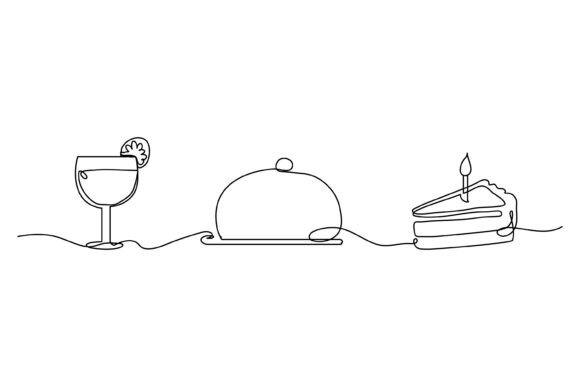
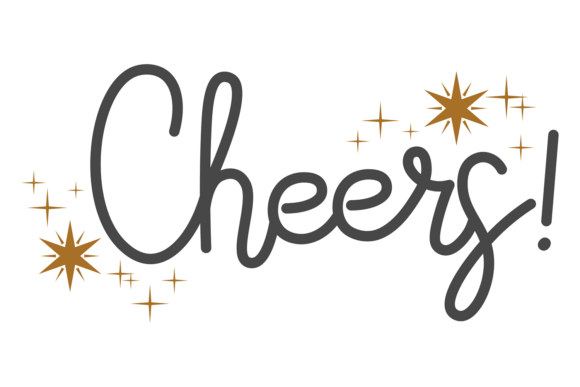
The design features decorative lettering isolated on a white background, offering a clean canvas for interpretation. The calligraphic style suggests fluidity and grace, which can be tricky to replicate with thread if the curves are too tight or the terminals too fine. In terms of mood, it evokes celebration, making it a natural fit for holiday gifts, wedding favors, or boutique branding. As part of the Illustrations and Graphics category, it serves as a versatile design asset that can be adapted for various mediums. The key question for any embroidery designer is whether those sweeping lines will hold up under the tension of a needle and thread, or if they will collapse into a messy cluster of stitches.
Real-World Application: The Custom Tote Bag Scenario
To test its viability, I imagined using this design for a custom tote bag design intended for a local wine shop’s holiday promotion. The goal was to create a handmade product that felt premium yet durable. Placing Cheers Sign. Calligraphic Text Label. De on a heavy cotton canvas provided a stable surface, but the success hinged on the stitch type chosen. For calligraphic text, a combination of satin stitch for thicker strokes and running stitch for finer details often works best. If the original graphic has varying line widths, the digitizer must ensure the transition between stitch types is smooth. In this scenario, the design added significant value to the finished product, turning a simple bag into a memorable personalized gift.
Performance Across Different Products
Beyond tote bags, this design shows promise in several other areas. For sweatshirt embroidery, the soft texture of fleece can sometimes swallow small details. Here, the boldness of the calligraphy helps, provided the stitch density is adjusted to prevent puckering. On baby embroidery items like onesies or bibs, safety and comfort are paramount. A dense fill stitch might feel scratchy against sensitive skin, so opting for lighter coverage or even converting parts of the design into an applique design could be a smarter move. For embroidered patch creation, the isolated nature of the label makes it easy to cut out and apply, adding a professional touch to caps or jackets.
However, caution is needed when applying this to curved surfaces like hats. The rigidity of the brim versus the softness of the crown requires careful hooping. If the text is too wide, it may distort around the curve. Similarly, for holiday embroidery on kitchen towels, the absorbent texture can pull threads if the stabilizer is insufficient. Each application demands a tailored approach to ensure the commercial embroidery output meets customer expectations.
Technical Challenges and Fabric Considerations
One of the most critical aspects of using Cheers Sign. Calligraphic Text Label. De is understanding its limitations on different fabrics. Thin or stretchy materials, such as jersey knits used in t-shirts, require a robust stabilizer strategy. Without proper support, the weight of the thread can cause the fabric to gather, ruining the clean lines of the calligraphy. Dark fabrics present another challenge; if the design relies on subtle shading or thin lines, high-contrast thread colors are essential to maintain visibility. Testing the design in black and white mockups before stitching can reveal if the contrast is sufficient.
Small hoop sizes also pose a risk. If the design is scaled down to fit a 4x4 inch hoop, the intricate loops of the calligraphy may become too small for the machine to execute cleanly. Tiny lettering can lead to thread breaks or bird nests if the needle cannot penetrate the tight turns. It is crucial to check the minimum viable size for this specific graphic. Additionally, dense stitch areas in the thicker parts of the letters can cause perforation in delicate fabrics, so adjusting the underlay and density is a necessary step for any serious Etsy seller or craft business owner.
Enhancing Brand Consistency and Customer Trust
For small shop product lines, consistency is key to building brand recognition. Using a distinct calligraphic style like this across various items—from aprons to pillow covers—creates a cohesive look that customers associate with quality. When buyers see precise, well-stitched text, their trust in the custom apparel provider grows. This design, when executed correctly, elevates the perceived value of the item. It signals attention to detail and professionalism, which are vital for standing out in crowded marketplaces. Whether used for printable mockup previews or actual stitched goods, the aesthetic appeal drives buyer engagement.
Practical Notes for Designers and Makers
Before committing to a large production run, always test the design on scrap fabric similar to your final material. Check the hoop size requirements and ensure your machine can handle the complexity of the curves. Review the file formats provided; since the product includes EPS, JPG, SVG, and transparent PNG, you may need to digitize the vector files yourself or hire a digitizer if a native embroidery file is not included. Confirm licensing terms to ensure you can use the design for commercial embroidery projects. Inspect small details for potential thread jumps or trims that might need manual cleanup. Finally, compare the design on both light and dark backgrounds to determine the best thread palette for your specific embroidery file needs.
In conclusion, Cheers Sign. Calligraphic Text Label. De is a strong contender for festive and elegant projects. Its success lies in the hands of the maker who understands the interplay between design intent and technical execution. By respecting the material constraints and optimizing the stitch parameters, you can transform this graphic into a stunning tangible asset for your craft business.